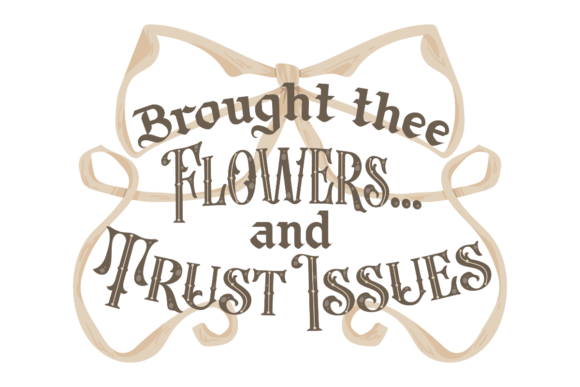
Flowers Issues: A Chaotic Charm for Embroidery
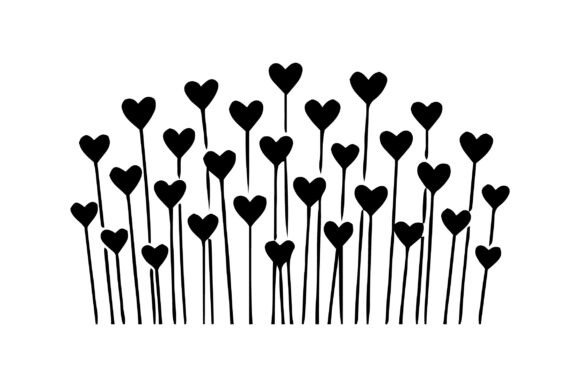
Flowers Issues is a vintage-style design that blends humor with heartbreak, offering a unique twist on romantic themes. Its chaotic yet charming aesthetic makes it ideal for a range of embroidery projects, from apparel to digital use. As an experienced designer, I've evaluated this design in various real-world scenarios to determine its practicality and appeal.
First Impressions: A Design That Speaks Volumes
The first thing that stands out about Flowers Issues is its mood. It’s not just a design; it’s a statement. The layout is balanced but slightly off-kilter, giving it a handcrafted, almost handmade feel. The theme is clear—romantic chaos—and the visual personality is playful yet sophisticated. This design would naturally fit into projects that aim to convey emotion through artistry, such as custom apparel or personalized gifts.
The level of detail is moderate, making it suitable for both simple and more intricate embroidery projects. The shape is versatile enough to work on a variety of surfaces, from tote bags to baby clothes, without feeling overwhelming.
Real-Life Embroidery Scenarios: Where It Shines
When considering where Flowers Issues fits best, it's important to think about the type of project. For example, if you're creating a custom embroidered tote bag, this design could serve as a focal point that adds character without being too busy. On a sweatshirt, it might be used as a subtle accent, while on a baby onesie, it could add a touch of whimsy.
This design also works well as an embroidered patch or applique design. The vintage style lends itself well to patches that can be sewn onto jackets, backpacks, or even pet accessories. In terms of stitch types, it would benefit from a mix of satin stitch and fill stitch to bring out the details without becoming too dense.
For small business owners and Etsy sellers, Flowers Issues could be a valuable addition to a digital product collection. It’s perfect for printable mockups or as part of a downloadable embroidery file set. Its versatility allows it to be used across multiple platforms, from stickers to journal covers.
Where to Be Cautious: Practical Considerations
While Flowers Issues has a lot to offer, there are some areas where caution is advised. For instance, if you're working with small hoop sizes, this design may require splitting into sections to ensure proper stitching. Similarly, on textured fabrics or thin materials, the design might not show up as clearly as expected.
On dark fabrics, the contrast between the design and the background may need adjustment. If you’re using this on a layered garment or a curved surface like a cap, the design might require additional stabilizer to prevent distortion. Tiny lettering or detailed corners could be challenging, so it's wise to test the design on scrap fabric before committing to a final project.
Dense stitch areas could lead to puckering, especially on stretchy fabrics. If you're planning to use this design for commercial embroidery or in high-traffic areas, make sure to review the stitch density and consider using a proper stabilizer to maintain quality.
Impact on Visual Appeal and Customer Perception
Flowers Issues has the potential to significantly enhance the visual appeal of any embroidery project. Its unique style can make a handmade product stand out in a crowded market. When used effectively, it can increase the perceived value of a finished product, making it more desirable to customers.
From a customer perspective, this design offers a sense of individuality. It’s not your average floral pattern—it tells a story. This can translate into higher engagement, especially for buyers looking for something different or meaningful. It also adds to the giftability of a product, as it can be easily personalized and tailored to the recipient’s taste.
For brand consistency, Flowers Issues can be a great asset if it aligns with your overall aesthetic. It can help reinforce your brand identity while appealing to a specific audience. However, it's important to ensure that the design fits within your existing product line and doesn’t clash with other elements.
Embroidery Designer Notes: Tips for Success
Before jumping into a full project, always test the design on scrap fabric. This helps identify any issues with stitch density, thread color contrast, or fabric compatibility. Check how the design looks in black and white mockups to see how it translates without color.
Compare the design on light and dark fabric backgrounds to ensure visibility and clarity. Use the right stabilizer for your project, especially when working with delicate or stretchy materials. Confirm that the design works for both personal and commercial use, and always verify the licensing terms before selling finished items or digital products.
Finally, pay attention to the details. Even small elements like tiny lettering or decorative accents can make a big difference in the final outcome. If the design is meant for a holiday or special occasion, make sure it aligns with the intended message and timing.