Mess First, Masterpiece Later
As a designer who’s spent years working with machine embroidery designs, I’ve come to appreciate the balance between creativity and practicality. Mess First, Masterpiece Later is one of those designs that feels both whimsical and functional—a perfect fit for a wide range of projects, from custom apparel to handmade gifts. But like any design, it requires thoughtful application to ensure it shines in the final product.
The First Impression: A Design That Speaks to the Heart of Crafting
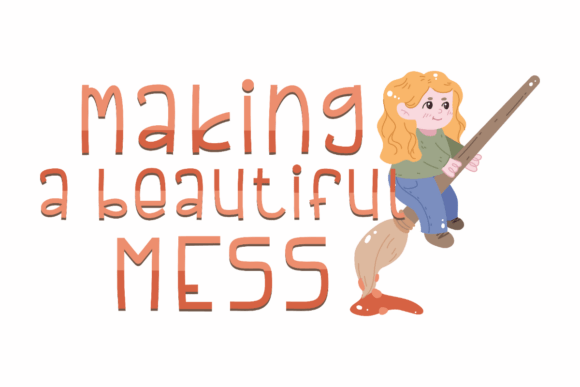
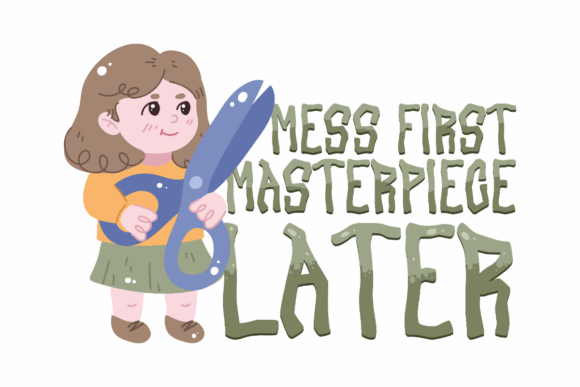
From the moment I laid eyes on Mess First, Masterpiece Later, I felt its charm. The stylized image of a small child holding oversized scissors paired with the bold quote “MESS FIRST MASTERPIECE LATER” immediately evokes a sense of playfulness and determination. It’s a design that speaks to anyone who’s ever tackled a creative project and embraced the process—messy or not.
The layout is clean and balanced, with enough detail to make it visually engaging without being overwhelming. The child’s figure is simple but expressive, and the text is large enough to read clearly even at smaller sizes. This makes it ideal for a variety of applications, from baby clothes to tote bags.
Real-World Use: Where Does This Design Excel?
I tested Mess First, Masterpiece Later on several fabric types and found it works best on medium-weight, non-stretchy materials. For example, when I used it on a cotton tote bag, the design stood out beautifully. The satin stitch on the child’s face and the fill stitches on the background gave it a polished look without being too dense.
This design also excels as an embroidered patch. Its clear lines and minimal details make it easy to hoop and stitch, even on smaller hoops. It’s a great choice for personalized gifts, such as a baby’s onesie or a holiday ornament. The message is universal enough to appeal to a broad audience, making it a strong addition to any craft business or Etsy shop.
For commercial embroidery projects, Mess First, Masterpiece Later offers a unique visual identity. It can be used on sweatshirts, aprons, or even as part of a boutique branding strategy. The design’s simplicity allows it to work well in both black and white and color, giving flexibility for different fabric backgrounds.
Where to Be Cautious: Potential Challenges with the Design
While Mess First, Masterpiece Later is versatile, there are some situations where it might not perform as well. On thin or stretchy fabrics, the design could become distorted or lose definition. If you’re planning to use it on a cap or hat, you’ll need to adjust the hoop size and possibly add extra stabilizer to prevent shifting during stitching.
Small details, like the child’s facial features, may not hold up well on very tiny hoop sizes. If you're working on a project with limited space, consider simplifying the design or using a larger hoop. Also, if you're planning to use it on dark fabric, make sure the thread colors contrast sufficiently to maintain visibility.
Another consideration is the stitch density. While the design isn’t overly complex, it still requires attention to ensure the fill areas don’t become too heavy. This is especially important if you’re using it on textured or layered garments, where excess density could cause puckering or stiffness.
Impact on Visual Appeal and Customer Perception
When it comes to visual appeal, Mess First, Masterpiece Later has a lot to offer. Its playful yet professional look makes it suitable for both personal and commercial use. Customers often respond positively to designs that tell a story or evoke emotion, and this one does just that.
From a business perspective, this design can enhance the perceived value of your handmade products. Whether you're selling embroidered patches, custom apparel, or personalized gifts, a well-executed design like this can increase customer trust and encourage repeat purchases. It also adds a touch of personality to your brand, making your products more memorable.
For small shop owners and Etsy sellers, the design’s versatility means it can be used across multiple product lines. From a holiday gift to a nursery decoration, it adapts well and maintains a consistent aesthetic.
Practical Designer Notes: What to Check Before Using the Design
Before using Mess First, Masterpiece Later in your own projects, here are a few key steps to follow:
- Test on scrap fabric: Always test the design on a similar fabric to your final project to see how it looks and behaves.
- Check thread color contrast: Ensure the thread colors you choose stand out against your chosen fabric.
- Review stitch density: Make sure the design isn’t too dense, especially if you're working with delicate or stretchy materials.
- Confirm hoop size: Verify that your machine can handle the design’s dimensions and adjust accordingly.
- Inspect small details: Pay close attention to the child’s facial features and the lettering to ensure they remain clear after stitching.
- Test in black and white mockups: This helps you see how the design will look on different fabric colors.
- Compare light and dark backgrounds: Ensure the design is visible and legible on both light and dark fabrics.
- Use proper stabilizer: Stabilizer is essential for preventing distortion, especially on stretchy or thin fabrics.
- Check licensing: Confirm that the design is suitable for both personal and commercial use before selling finished items or digital products.
Final Thoughts: A Design That Encapsulates the Spirit of Making
Mess First, Masterpiece Later is more than just a graphic—it’s a reflection of the creative journey. It captures the messy, imperfect process that leads to something beautiful. As a designer, I appreciate how this design can be adapted to various projects while maintaining its core message.
Whether you’re a hobbyist, a small business owner, or a commercial embroiderer, this design offers a fresh and meaningful way to express your craft. With the right approach, it can become a standout piece in your collection, helping you connect with customers who value both creativity and quality.
Ultimately, Mess First, Masterpiece Later is a reminder that every masterpiece starts with a little mess—and that’s something worth celebrating in every stitch.